Electrical Safety Inspections, commonly known as EICRs, are one of the most important checks you can carry out on a property. Whether you’re a homeowner, landlord, or managing rental properties, an EICR helps ensure the electrical installation is safe, compliant, and fit for continued use.
Many people only become aware of EICRs when a report fails, but regular inspections can prevent faults, reduce risk, and avoid costly repairs later on.
What Is an EICR?
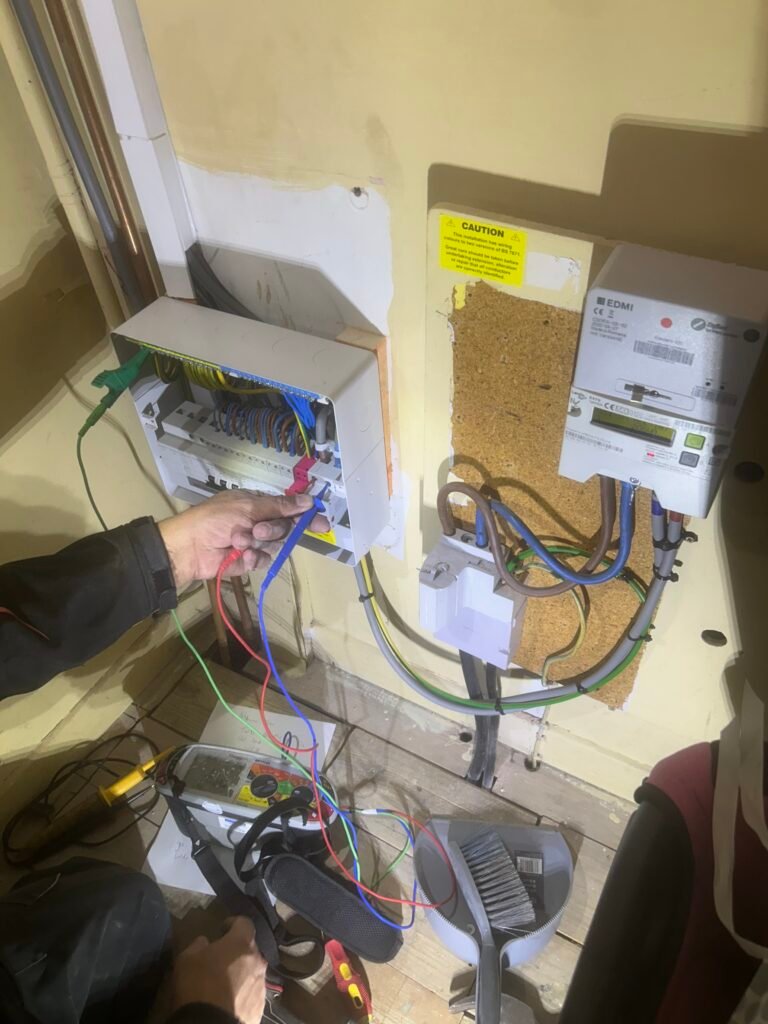
An Electrical Installation Condition Report (EICR) is a formal inspection of a property’s fixed electrical system. This includes:
- Consumer units (fuse boards)
- Wiring and cabling
- Sockets, switches, and lighting circuits
- Earthing and bonding
- Overall condition and safety of the installation
The inspection checks whether the electrics meet current safety standards and highlights any issues that could pose a risk.
Who Needs an EICR?
Homeowners
If you own your home, it’s recommended to have an EICR carried out:
- Every 10 years
- When buying or selling a property
- If the electrics are old or showing signs of problems
An EICR gives peace of mind that your home is electrically safe.
Landlords
We regularly carry out EICRs for landlords, letting agents, and housing associations managing multiple properties.
Landlords must:
- Have an EICR completed every 5 years
- Provide a copy to tenants
- Carry out any remedial work identified
Failing to comply can lead to enforcement action and fines, so keeping EICRs up to date is essential.
What Does a Failed EICR Mean?
A failed EICR doesn’t always mean a full rewire is required, but it does mean action is needed.
Common reasons for failure include:
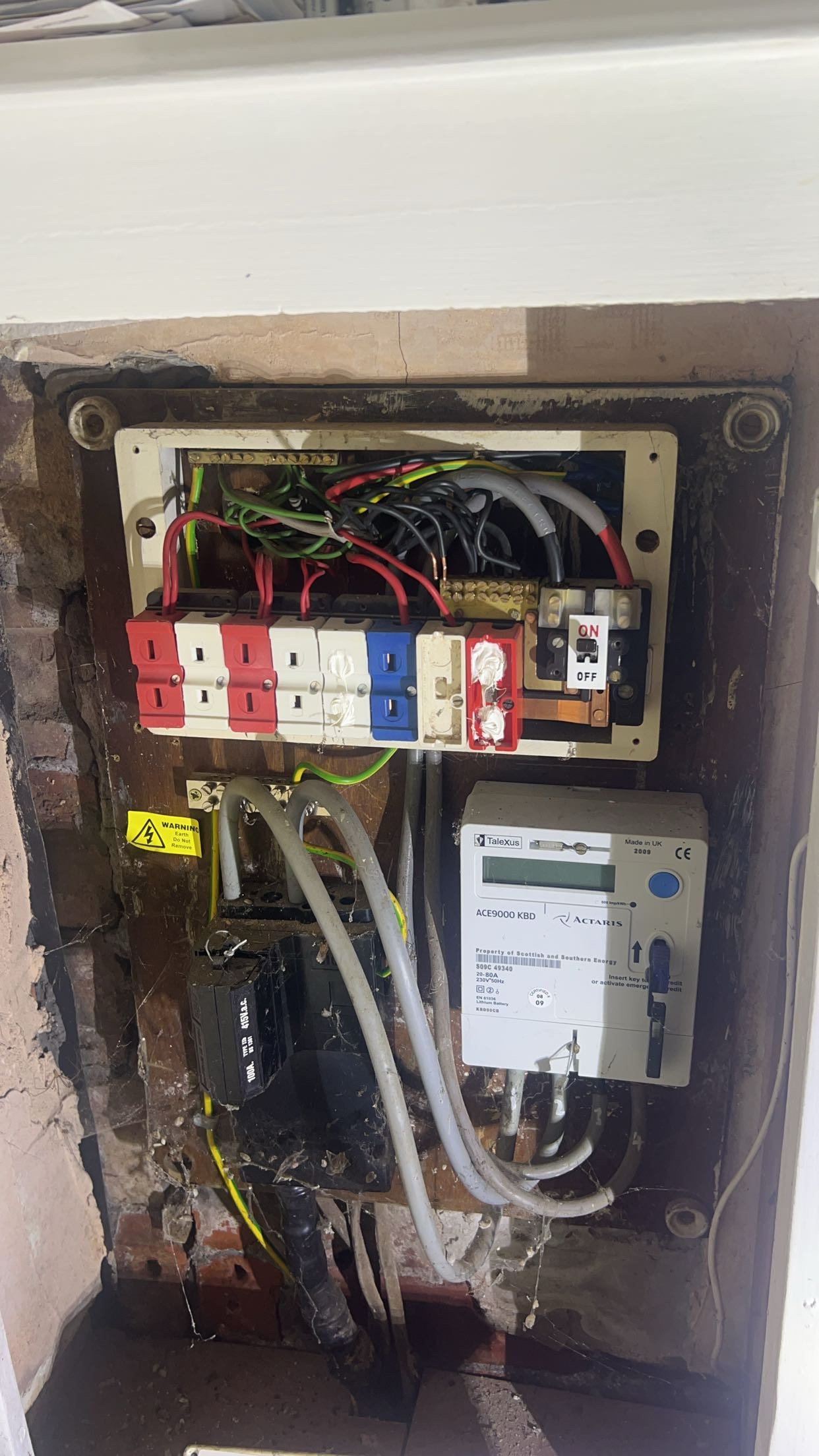
- Outdated or unsafe consumer units
- Lack of RCD protection
- Poor earthing or bonding
- Deteriorated wiring
- Previous non-compliant electrical work
In some cases, a consumer unit upgrade is enough. In others, a partial or full rewire may be required to bring the installation up to standard.
A qualified electrician should always explain the findings clearly and advise on the most appropriate solution.
Why Regular EICRs Are Important
Regular electrical inspections help to:
- Identify hidden faults before they become dangerous
- Reduce the risk of electric shock or fire
- Keep properties compliant with regulations
- Protect tenants, families, and property
- Avoid unexpected repair costs
Electrical systems naturally deteriorate over time, especially in older properties, which is why inspections are so important.
Choosing a Qualified Electrician
EICRs should only be carried out by a fully qualified and registered electrician. A professional inspection will provide:
- A clear, easy-to-understand report
- Honest advice on any required work
- Compliance with current regulations
- Confidence that the inspection has been done properly
Need an EICR?
If you’re unsure whether your property needs an Electrical Safety Inspection, or if you’ve received a failed report and need advice, it’s always best to speak to a qualified electrician.
Regular EICRs help keep properties safe, compliant, and protected, and early action can save time, money, and stress in the long run.