Rochdale has many beautiful older properties, from traditional terraced houses to early 20th-century semis. While these homes often have character and solid construction, their electrical systems may not always meet modern safety standards or cope with today’s electrical demand.
Electrical upgrades are commonly recommended in older homes to improve safety, reliability, and compliance with current regulations. This guide explains why older properties in Rochdale often require electrical improvements and what homeowners should look out for.
Older Wiring Was Not Designed for Modern Electrical Demand
Many homes across Rochdale were wired decades ago, long before modern appliances became common. At the time, electrical installations were designed for basic lighting and a small number of sockets.
Today’s homes rely on far more electrical equipment, including:
- Modern kitchen appliances
- Washing machines and tumble dryers
- Electric showers
- Home offices and computers
- Charging points for phones and devices
- EV chargers and electric heating systems
Older wiring systems may struggle to handle this increased demand, which can lead to overloaded circuits or frequent tripping.
Outdated Consumer Units (Fuse Boards)
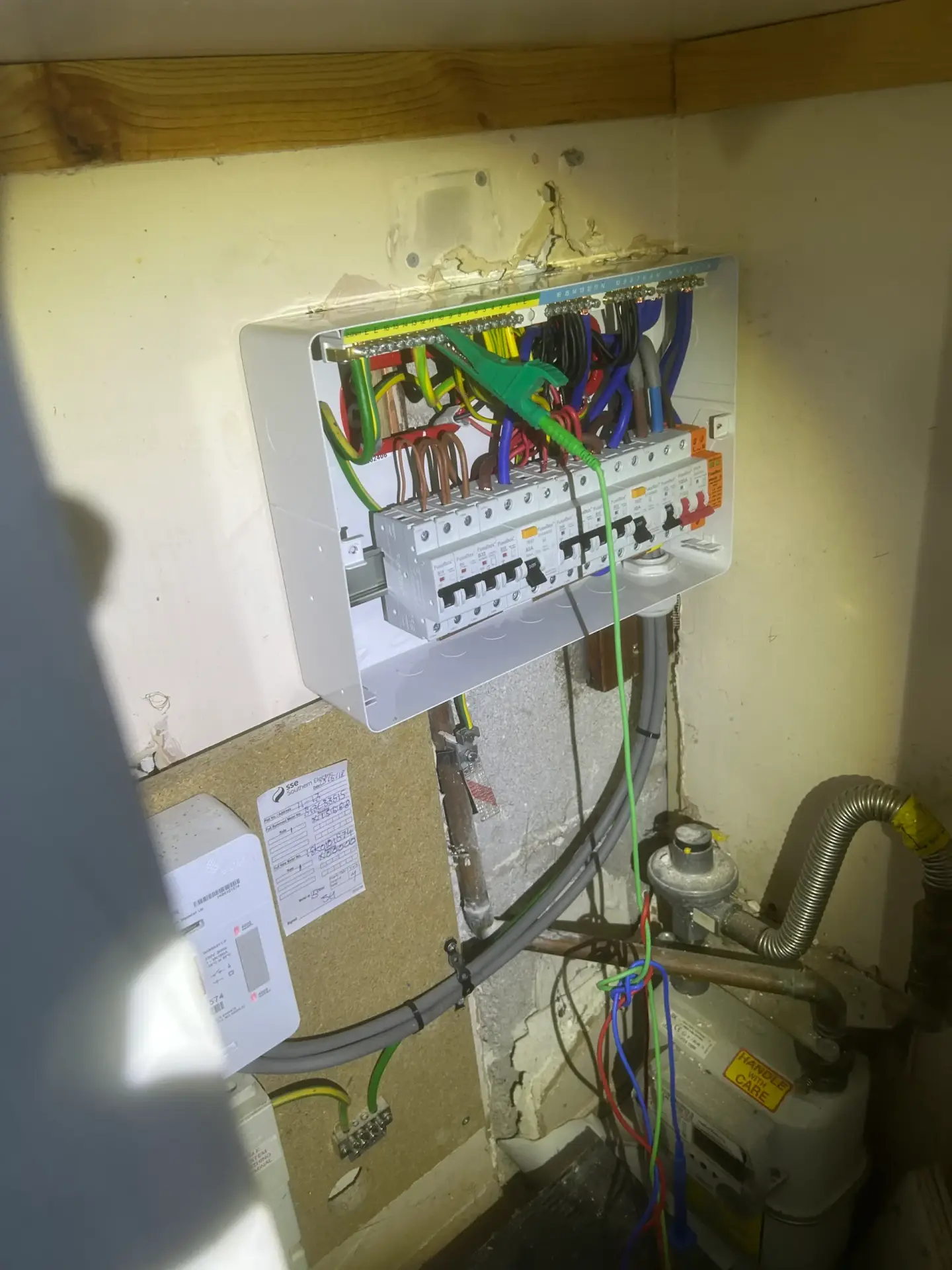
One of the most common upgrades in older properties is replacing the consumer unit, often known as the fuse board.
Older fuse boards may:
- Use rewireable fuses
- Lack modern RCD protection
- Provide limited circuit protection
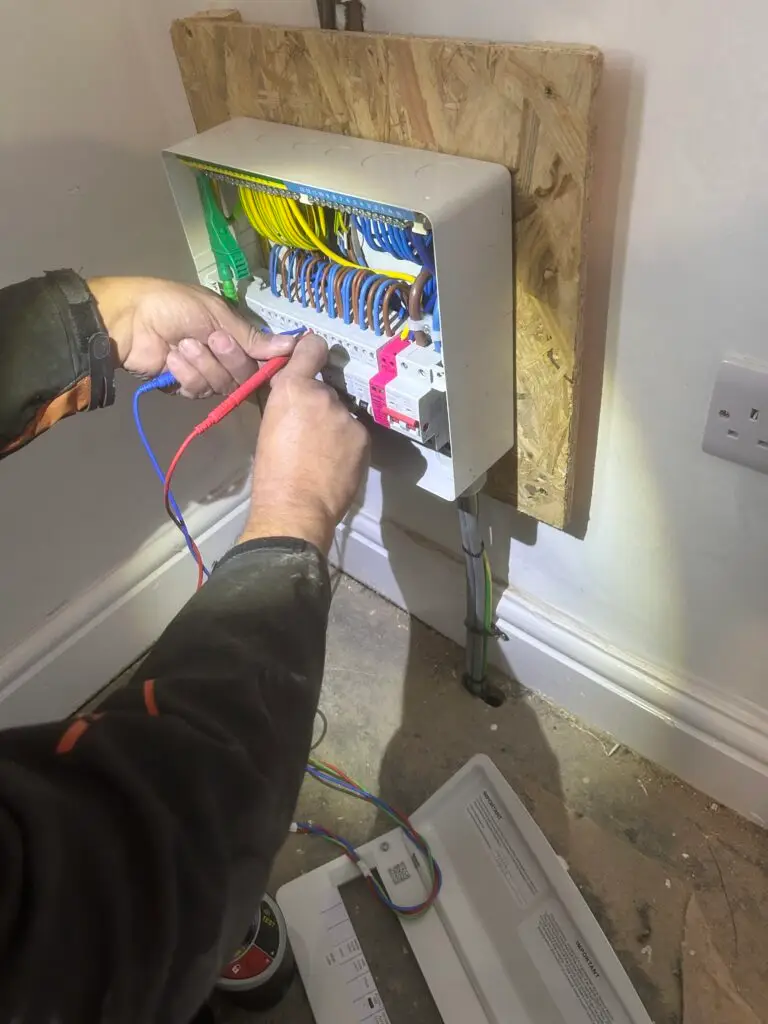
Modern consumer units include safety devices that disconnect power quickly if a fault is detected. This significantly reduces the risk of electrical shock or fire.
Upgrading the consumer unit is often one of the most important improvements that can be made to an older electrical installation.
Ageing or Deteriorating Wiring
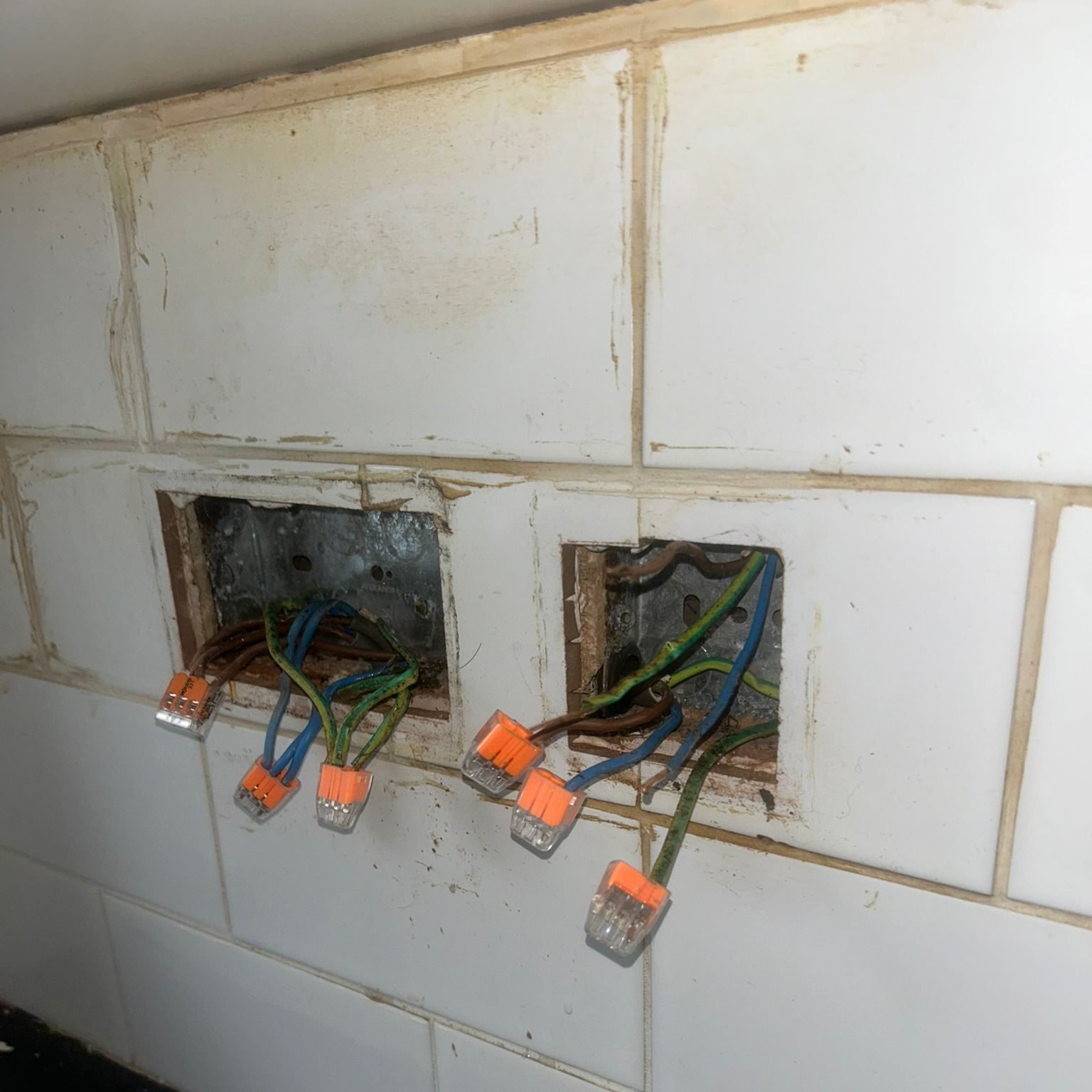
Electrical wiring naturally deteriorates over time. Insulation can become brittle, connections may loosen, and older cables may no longer meet modern safety requirements.
Signs that wiring may be ageing include:
- Frequent electrical faults
- Flickering lights
- Burning smells from sockets or switches
- Cracking or discoloured fittings
- Tripping circuits
In some cases, a partial rewire or full rewire may be required to ensure the electrical system is safe and reliable.
Insufficient Sockets
Many older homes were built with very few sockets compared to modern standards. This often leads to heavy reliance on extension leads and multi-plug adaptors.
Overloading sockets can increase the risk of overheating and electrical faults. Installing additional sockets during an electrical upgrade improves both safety and convenience.
Earthing and Bonding Issues
Modern electrical regulations require proper earthing and bonding to protect occupants from electric shock.
In older properties, earthing arrangements may be outdated or incomplete. Electrical upgrades often include improving earthing and bonding to meet current safety requirements.
Electrical Inspections Often Reveal Hidden Issues
When electricians carry out an Electrical Installation Condition Report (EICR), they frequently discover problems in older homes that are not immediately visible.
These may include:
- Deteriorated wiring
- Inadequate circuit protection
- Non-compliant electrical work carried out previously
- Missing safety protection
Regular inspections help identify these issues before they become serious.
Planning Electrical Upgrades in Older Homes
Electrical upgrades are often carried out when:
- Renovating or refurbishing a property
- Buying an older home
- Installing a new kitchen or extension
- Replacing an outdated consumer unit
- After a failed EICR
Upgrading the electrical system ensures the property can safely support modern living.
Choosing a Qualified Electrician
Electrical upgrades should always be carried out by a qualified and registered electrician who can ensure the work meets current UK regulations.
Professional electrical work should include:
- Proper testing and certification
- Clear explanations of recommended upgrades
- Safe installation practices
- Reliable workmanship
Need Advice About Electrical Upgrades?
If you live in an older property and are unsure about the condition of the electrical installation, a professional inspection can help identify any improvements that may be needed.
GS Electrical Services Ltd provides electrical inspections, upgrades, rewires, and consumer unit replacements across Rochdale and surrounding areas.
Getting expert advice early can help keep your home safe, compliant, and ready for modern electrical demand.