A circuit breaker tripping is one of the most common electrical issues homeowners experience. While it can be inconvenient, a tripping breaker is usually a sign that your electrical system is protecting you from a fault.
This guide explains why circuit breakers trip, what the most common causes are, and when it’s important to call a qualified electrician.
What Is a Circuit Breaker?
A circuit breaker is a safety device designed to automatically switch off the power if it detects a problem such as an overload, short circuit, or earth fault. This helps prevent electrical fires, damage to wiring, and electric shock.
If a breaker trips occasionally, it may not be a serious issue. However, repeated tripping should never be ignored, as it usually indicates an underlying fault.
Common Reasons a Circuit Breaker Keeps Tripping
Overloaded Circuits
One of the most common causes of a tripping circuit breaker is an overloaded circuit.
This happens when too many appliances are drawing power from the same circuit, causing it to exceed its safe capacity. Kitchens are a common example, where kettles, microwaves, air fryers, and washing machines are often used together.
Older properties may be more prone to this due to fewer circuits and higher modern electrical demand.
Faulty Appliances
A single faulty appliance can cause a circuit breaker to trip repeatedly.
If the breaker trips when a specific appliance is switched on, unplug it and stop using it. Appliances with internal faults can draw excessive current or develop earth faults, which modern protection devices will detect immediately.
Short Circuits
A short circuit occurs when a live wire comes into contact with a neutral or earth wire. This causes a sudden surge of current and will usually trip the breaker instantly.
Common signs include:
- Immediate tripping when the breaker is reset
- Burning smells
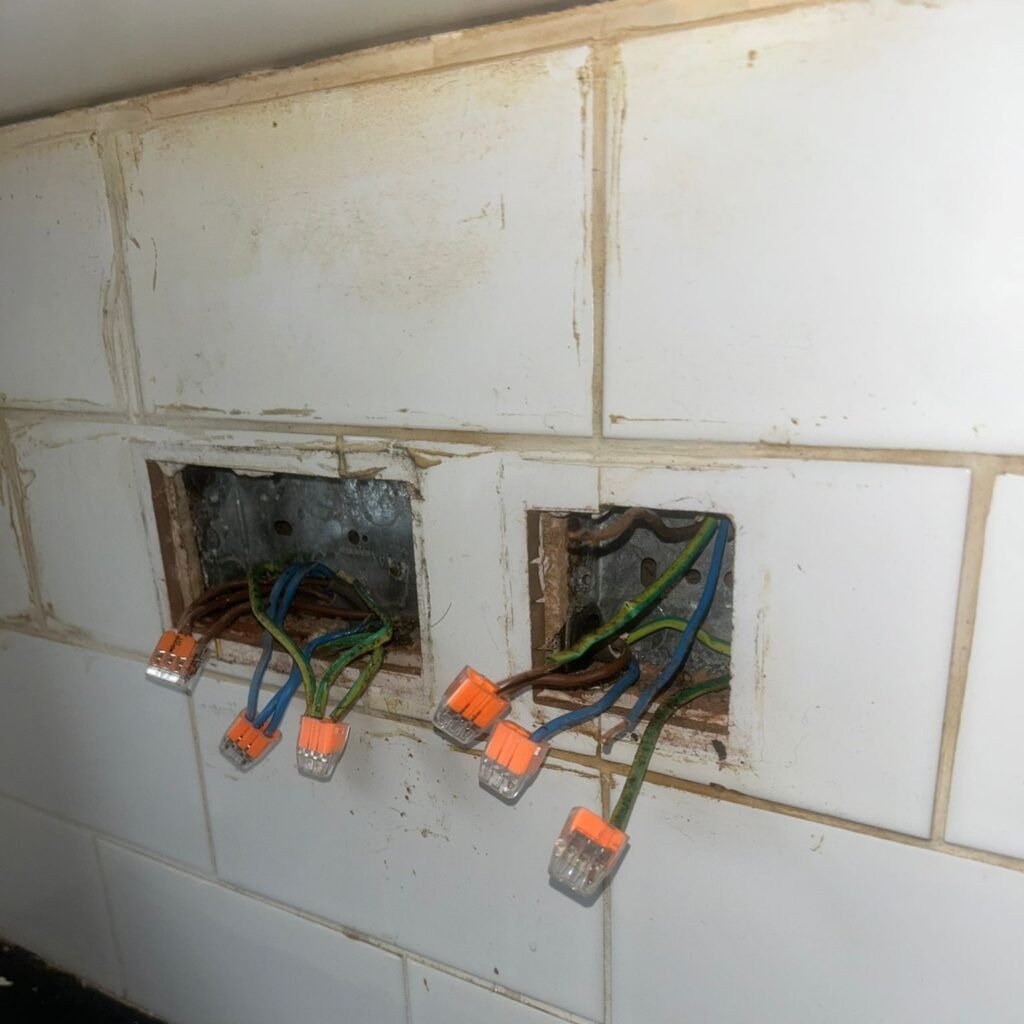
- Discoloured or damaged sockets
Short circuits are dangerous and should always be investigated by a qualified electrician.
Earth Faults
Earth faults occur when electricity leaks to earth, often due to damaged insulation, moisture, or worn cables.
These faults are commonly found in:
- Kitchens and bathrooms
- Outdoor electrics
- Older wiring installations
RCDs and RCBOs are designed to detect earth faults quickly and disconnect the supply to keep occupants safe.
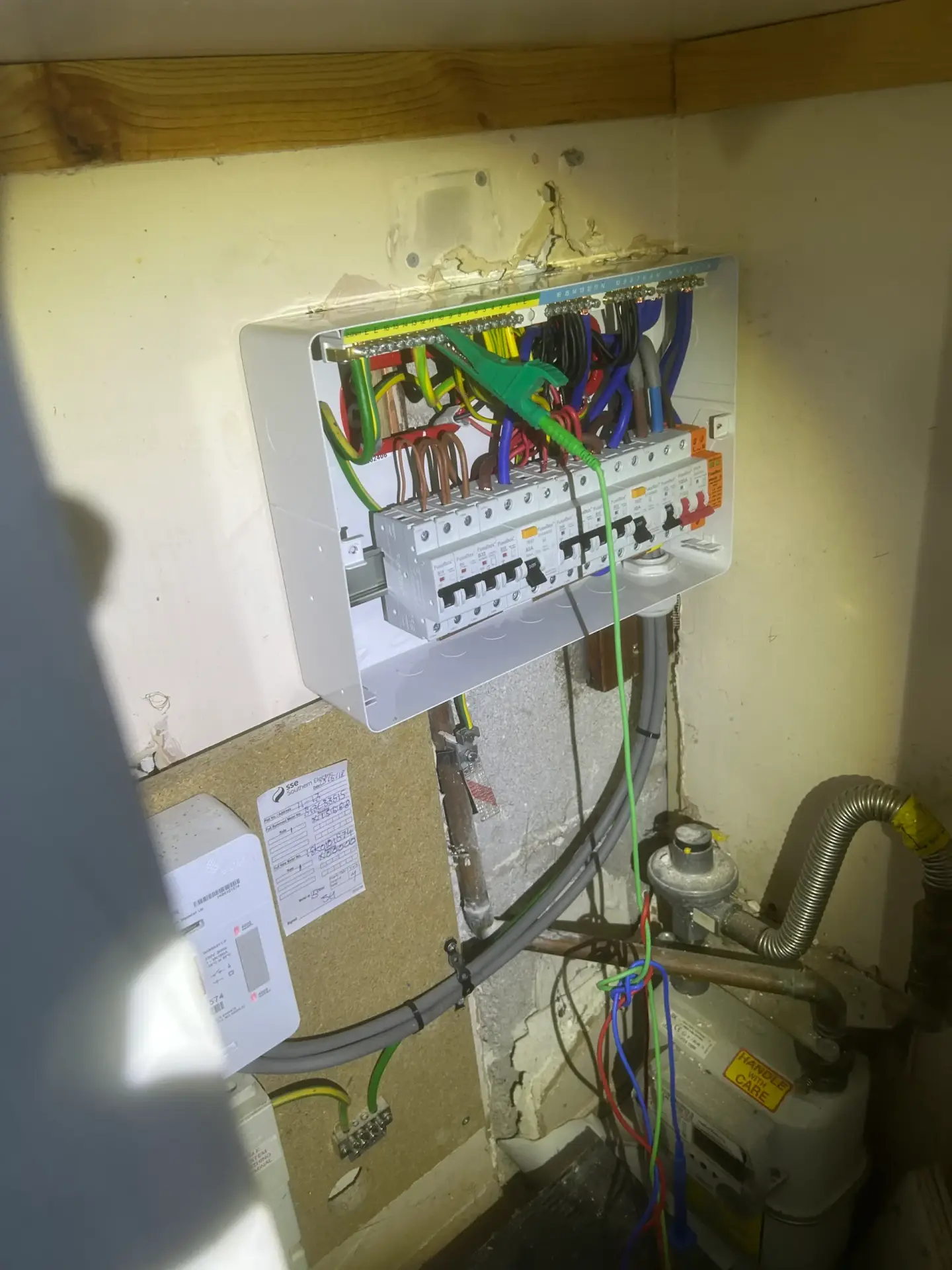
Outdated Consumer Units
If your consumer unit is outdated or lacks modern protection, it may trip frequently or fail to provide adequate safety.
Consumer units without RCD or RCBO protection may need upgrading to meet current safety standards and provide reliable protection for your property.
What You Can Safely Check
Before calling an electrician, there are a few basic checks homeowners can carry out safely:
- Reset the breaker once
- Unplug appliances and try again
- Check for visible damage to sockets or fittings
If the breaker continues to trip, do not keep resetting it. Repeated tripping is a warning sign that should be properly investigated.
When to Call an Electrician
You should contact a qualified electrician if:
- The circuit breaker trips repeatedly
- It trips immediately after being reset
- There are burning smells or unusual noises
- Multiple circuits are affected
- The cause is unclear
Electrical faults can worsen over time, and early investigation can help prevent more serious problems.
Need Help With a Tripping Circuit Breaker?
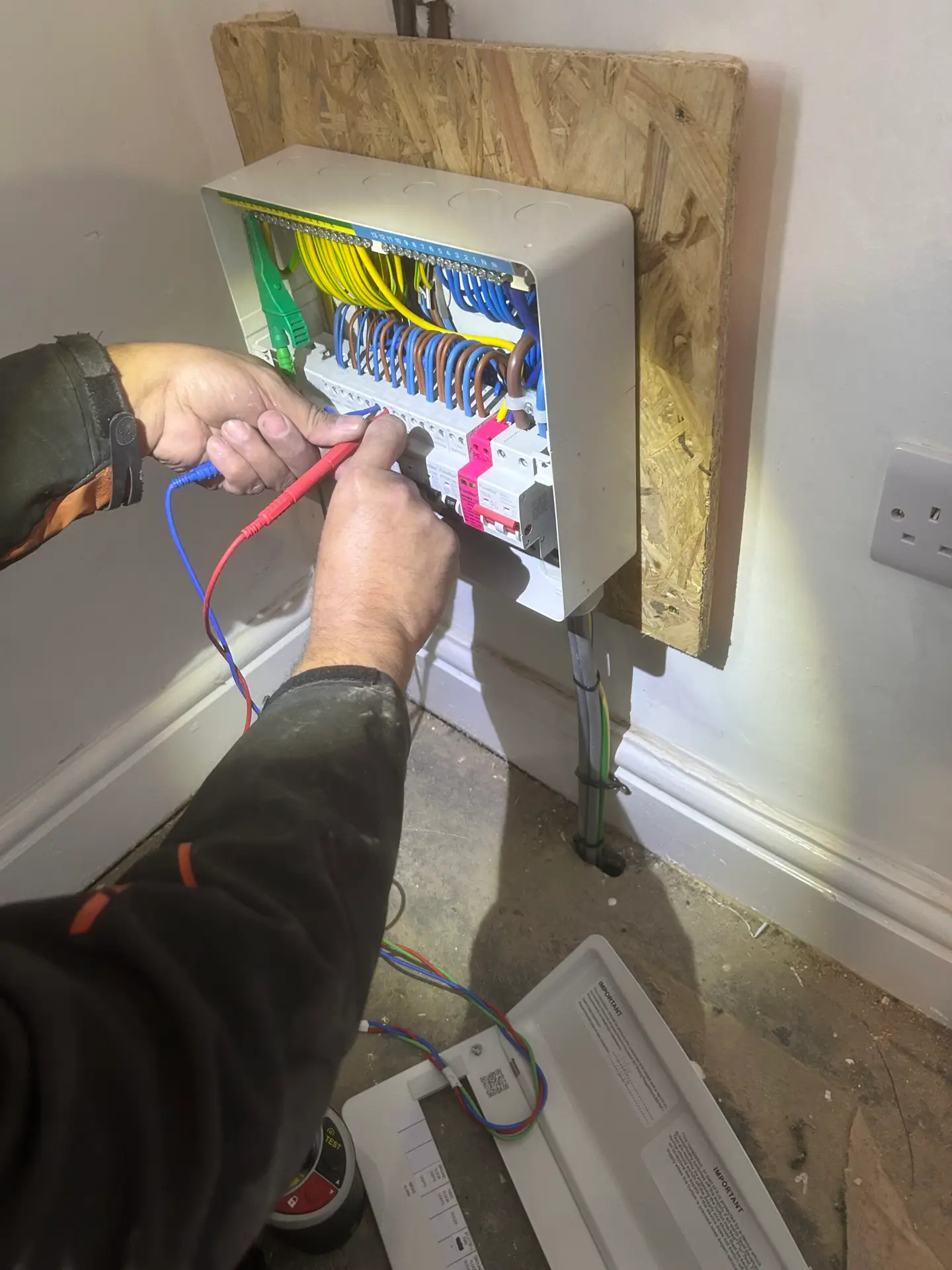
If your circuit breaker keeps tripping, professional fault finding can identify the cause quickly and safely.
At GS Electrical Services, we carry out electrical fault finding and emergency call-outs for homes across Rochdale and Greater Manchester, providing clear advice and reliable solutions.
If you’re unsure what’s causing the issue, it’s always best to seek professional guidance rather than r